Lake Manyara National Park

Overview

Lake Manyara National Park – Tanzania’s Scenic Jewel

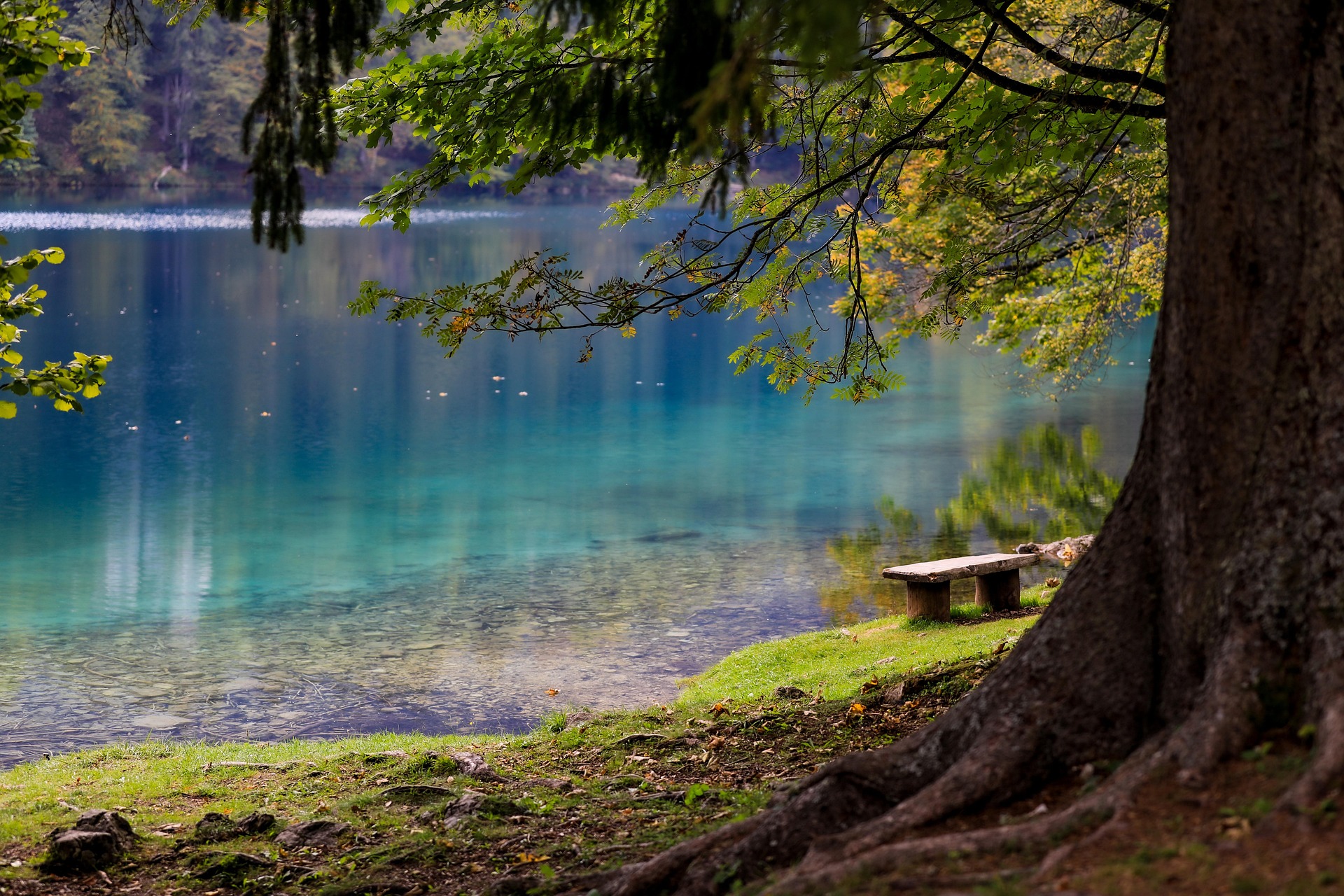
Nestled at the base of the dramatic Great Rift Valley Escarpment, Lake Manyara National Park is one of Tanzania’s most picturesque safari destinations. Though relatively compact at approximately 330 km² (127 square miles), nearly twothirds of the park is covered by the shimmering alkaline Lake Manyara, creating an extraordinary landscape where lush forests, open plains, and abundant birdlife come together.

Known for its famous tree-climbing lions, vibrant birdlife, and breathtaking scenery, Lake Manyara is an exceptional destination that perfectly complements a Northern Tanzania safari.

Why Visit Lake Manyara National Park?

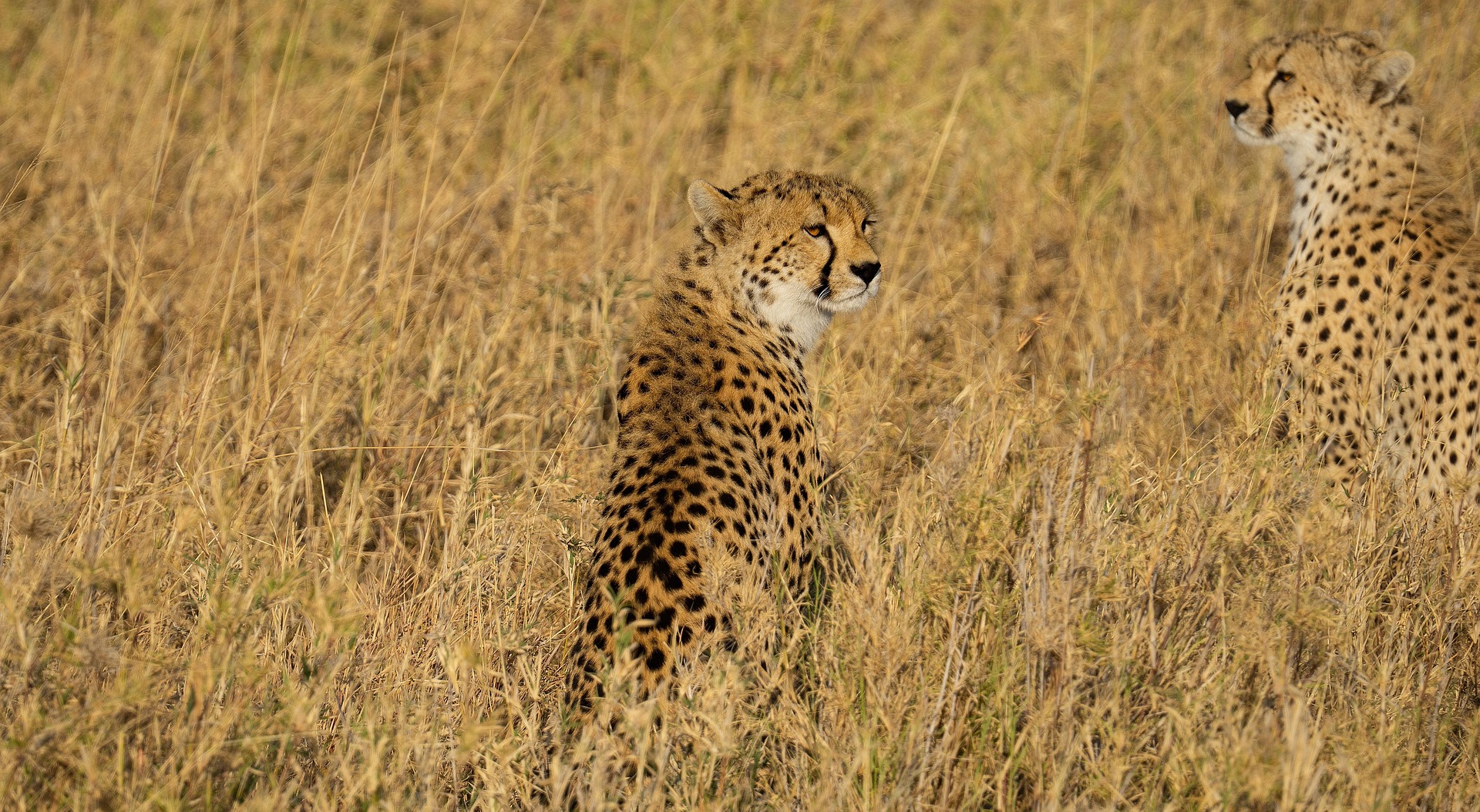
Lake Manyara offers a remarkable diversity of wildlife and habitats within a relatively small area, making every game drive rich in variety.

Guests may encounter:

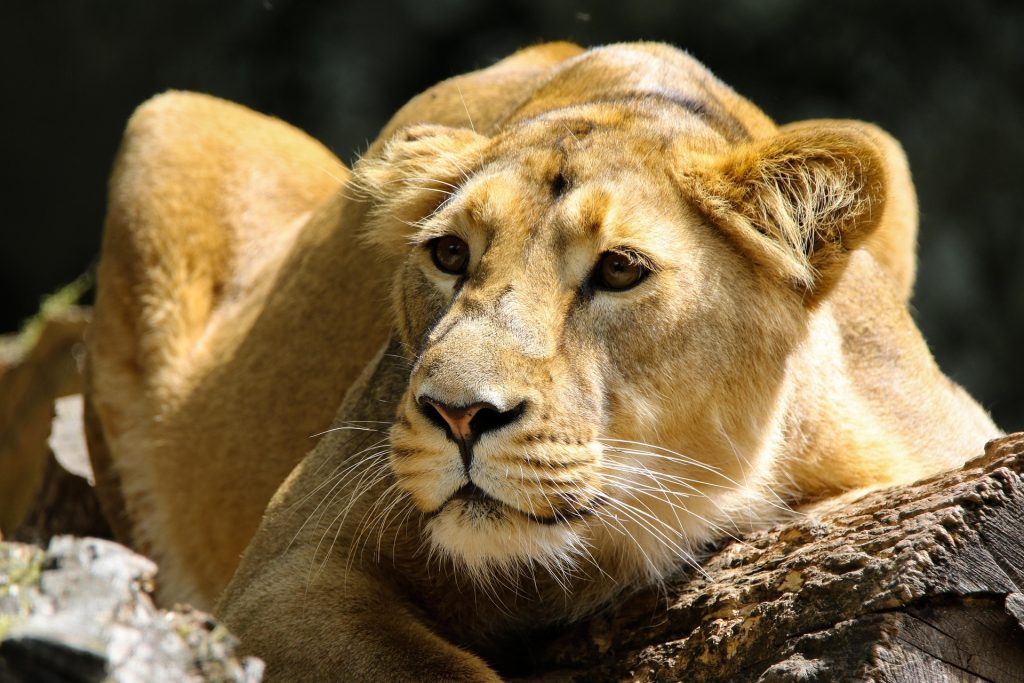
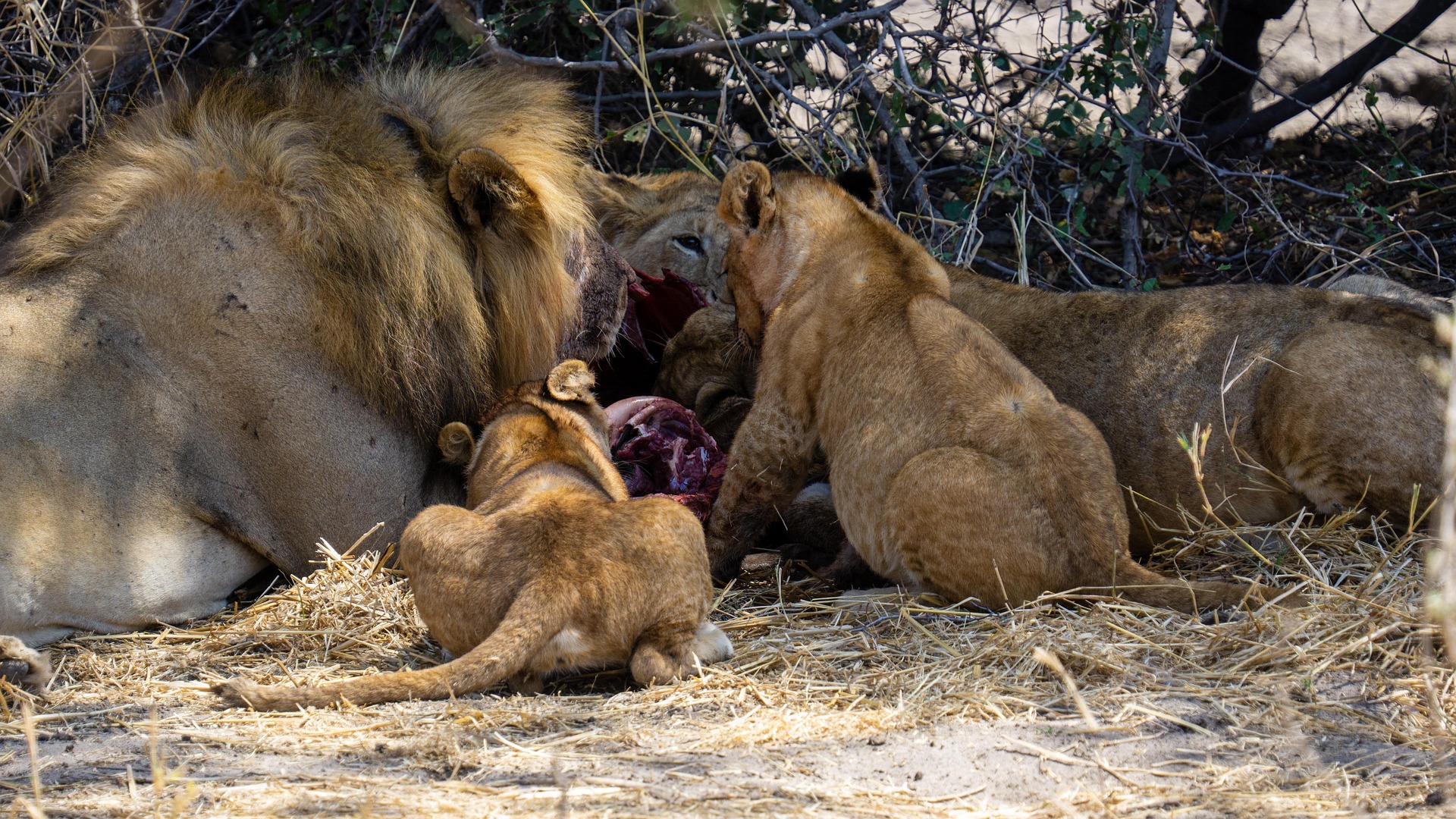
  • The famous tree-climbing lions
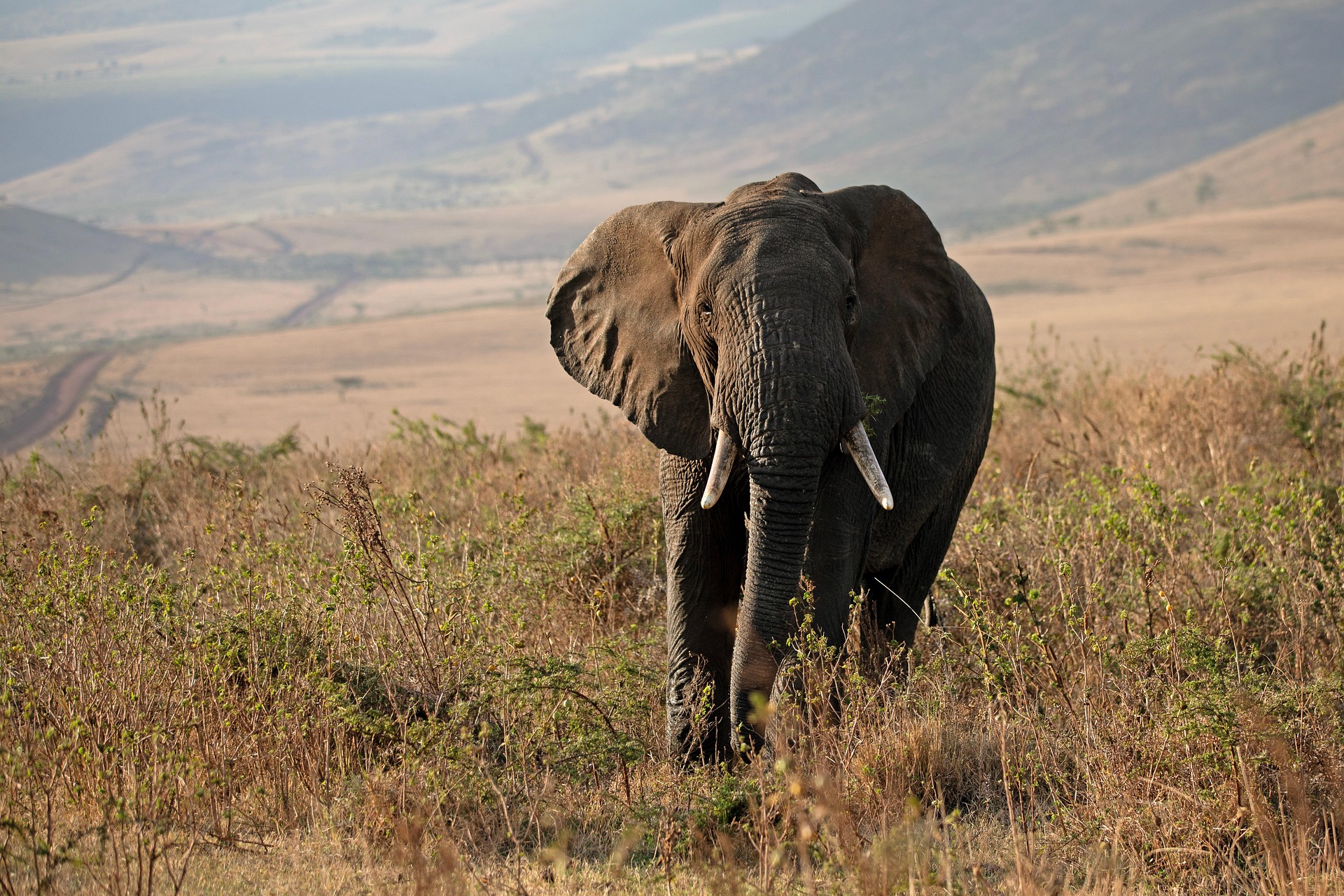
  • Large herds of elephants
  • African buffalo
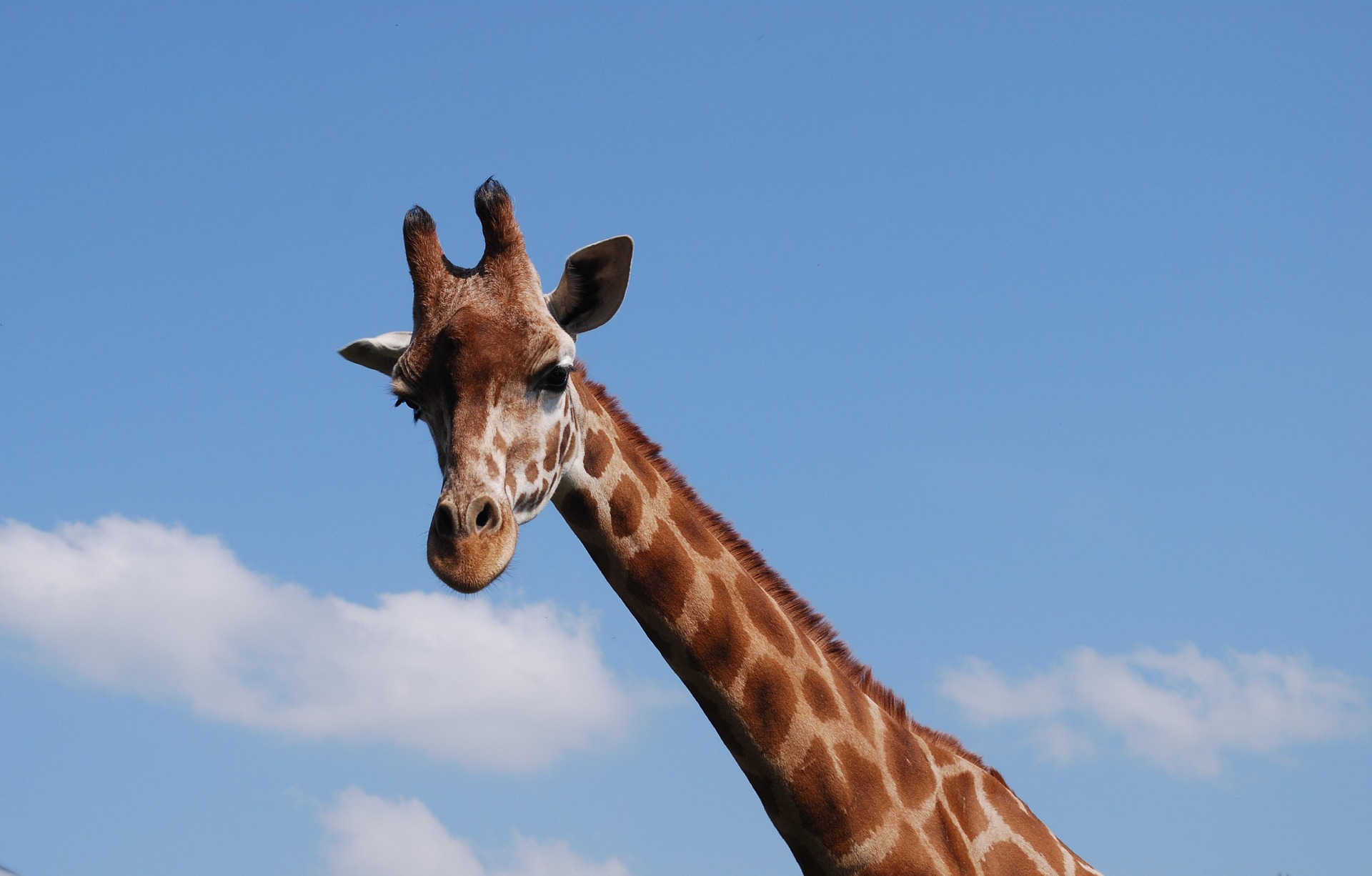
  • Giraffes
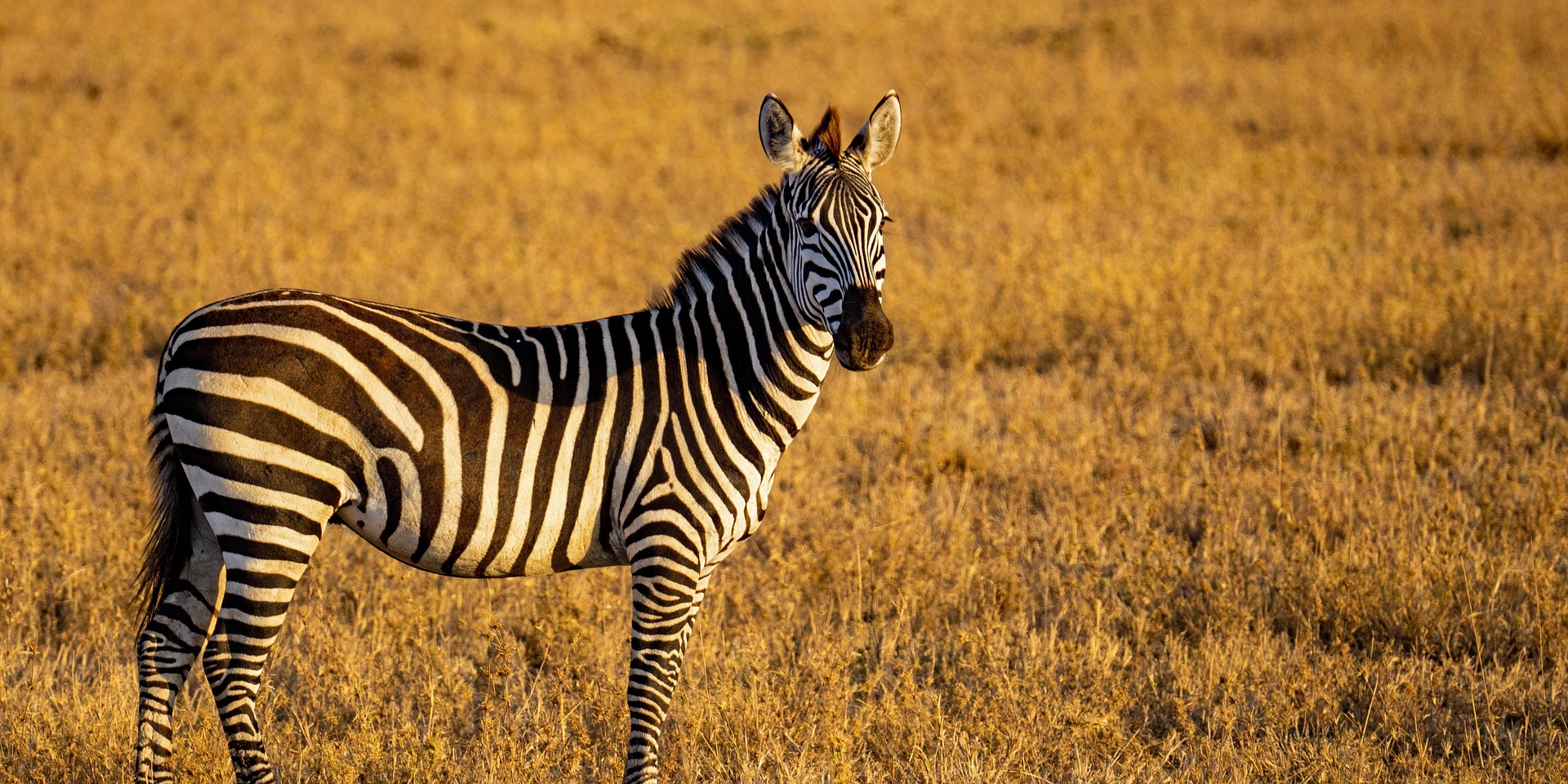
  • Zebras
  • Wildebeest
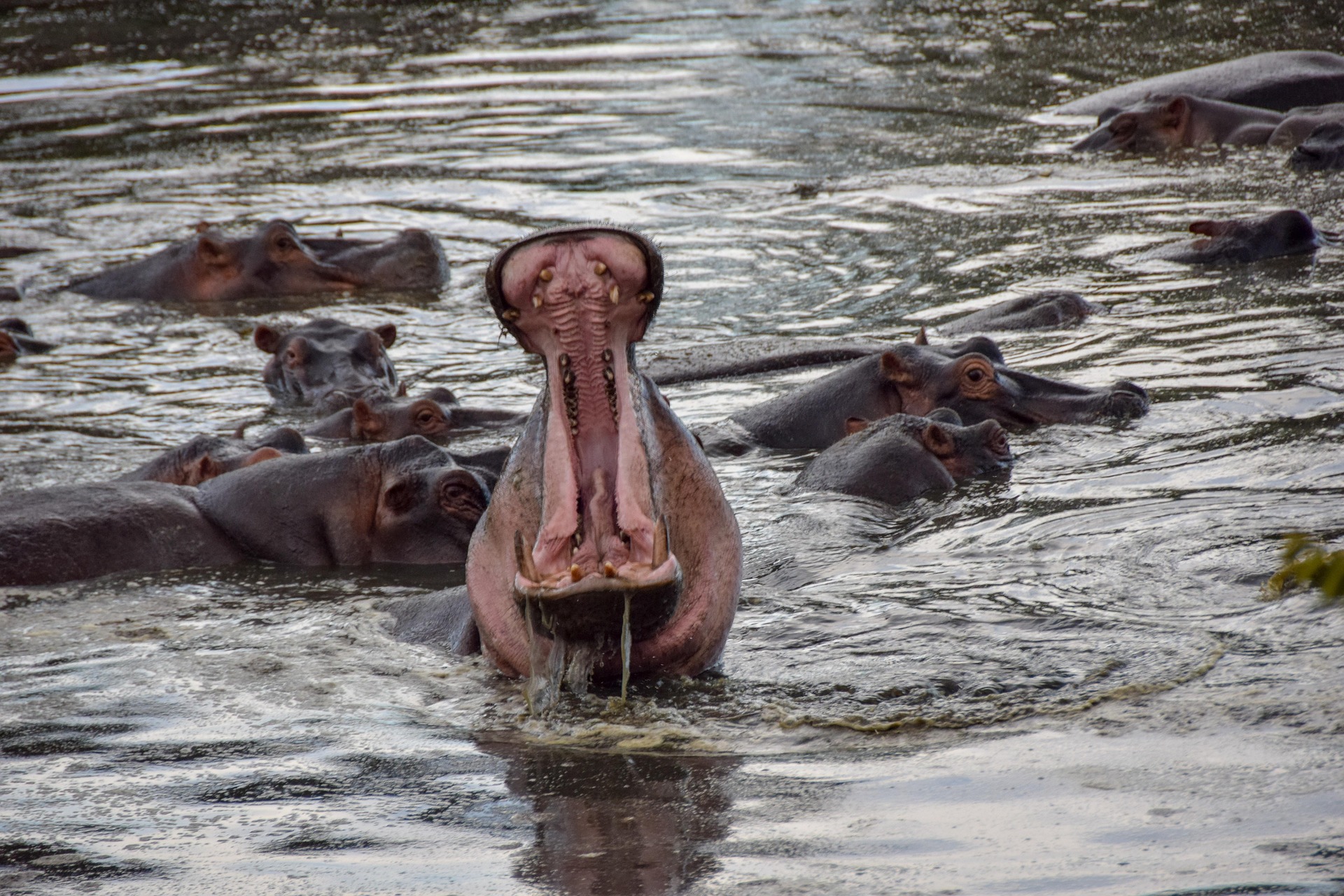
  • Hippos
  • Baboons
  • Blue monkeys
  • Warthogs
  • Impalas
  • Bushbucks
  • Waterbucks
  • Leopards (occasionally spotted)

The park is also home to more than 400 bird species, making it one of East Africa’s finest birdwatching destinations.

The Famous Tree-Climbing Lions

Lake Manyara is one of the few places in Africa where lions are frequently seen resting high in the branches of acacia and fig trees. While the exact reason for this behaviour is still debated, it offers guests a rare and memorable wildlife encounter.

A Birdwatcher’s Paradise

The lake attracts thousands of waterbirds throughout the year.

Depending on water levels and the season, guests may observe:

  • Pink flamingos
  • Great white pelicans
  • Yellow-billed storks
  • African spoonbills
  • Grey herons
  • Fish eagles
  • Kingfishers
  • Cormorants • Hornbills

Whether you are an avid birder or simply appreciate nature, the diversity of birdlife is truly remarkable.

Stunning Landscapes

Lake Manyara is celebrated for its diverse and beautiful scenery, including:

  • The Great Rift Valley Escarpment
  • Dense groundwater forests
  • Open grasslands
  • Acacia woodlands
  • Hot springs
  • Marshes
  • The expansive alkaline lake

The park’s changing landscapes provide exceptional opportunities for photography and wildlife viewing.

Signature Experiences

Guests can enjoy:

  • Morning and afternoon game drives
  • Scenic drives beneath the towering Rift Valley Escarpment
  • Wildlife photography
  • Birdwatching excursions
  • Canoeing on Lake Manyara (when water levels permit)
  • Guided treetop canopy walk, offering a unique perspective of the forest
  • Luxury picnic lunches surrounded by nature

Best Time to Visit

Lake Manyara is a rewarding destination throughout the year.

June – October (Dry Season) Ideal for:

  • Excellent wildlife viewing
  • Comfortable weather
  • Easy access to most areas of the park
  • Clear skies for photography

November – May (Green Season)

Perfect for:

  • Lush green landscapes
  • Spectacular birdlife
  • Flamingo sightings (depending on lake conditions)
  • Fewer visitors
  • Outstanding photography opportunities

Climate

Lake Manyara enjoys a pleasant climate year-round.

  • Daytime: 22–30°C (72–86°F)
  • Early mornings & evenings: 12–18°C (54–64°F)

Guests are advised to bring lightweight clothing for daytime activities and a light jacket for early morning game drives.

Luxury Safari Highlights

High-end travellers can expect:
  • Boutique luxury lodges overlooking the Rift Valley
  • Elegant tented camps immersed in nature
  • Private game drives with expert guides
  • Gourmet bush lunches
  • Exclusive wildlife photography opportunities
  • Personalised safari experiences
  • Peaceful surroundings ideal for relaxation before or after visiting the Serengeti or Ngorongoro

Good to Know

  • Lake Manyara National Park was established in 1960 and is one of Tanzania’s most scenic national parks.
  • The park is renowned for its exceptional ecological diversity, with forests, wetlands, grasslands, and lakes all found within a relatively small area.
  • It is one of the best places in Tanzania to observe large troops of baboons, often seen along the park’s forest roads.
  • The park is conveniently located about 2 hours from Arusha, making it an excellent first or final stop on a Northern Circuit safari.

A Moraka Africa Safaris Recommendation

Lake Manyara National Park is where breathtaking scenery meets intimate wildlife encounters. From ancient forests echoing with birdsong to elephants wandering beneath towering mahogany trees and the legendary tree-climbing lions resting high above the savannah, every moment reveals a new wonder. Whether enjoyed as a tranquil escape or as part of a grand Northern Tanzania journey, Lake Manyara offers a refined safari experience rich in beauty, elegance, and unforgettable memories.