Serengeti National Park

Overview

For guests seeking one of the world’s most extraordinary wildlife destinations, Serengeti National Park offers an unforgettable safari experience. A UNESCO World Heritage Site, the Serengeti is celebrated for its endless golden plains, exceptional wildlife density, and the iconic Great Migration—one of nature’s greatest spectacles. Covering approximately 14,763 km², it forms the heart of the greater Serengeti ecosystem. 

Why Visit Serengeti?

The Serengeti offers exceptional wildlife viewing throughout the year. Guests have the opportunity to witness:
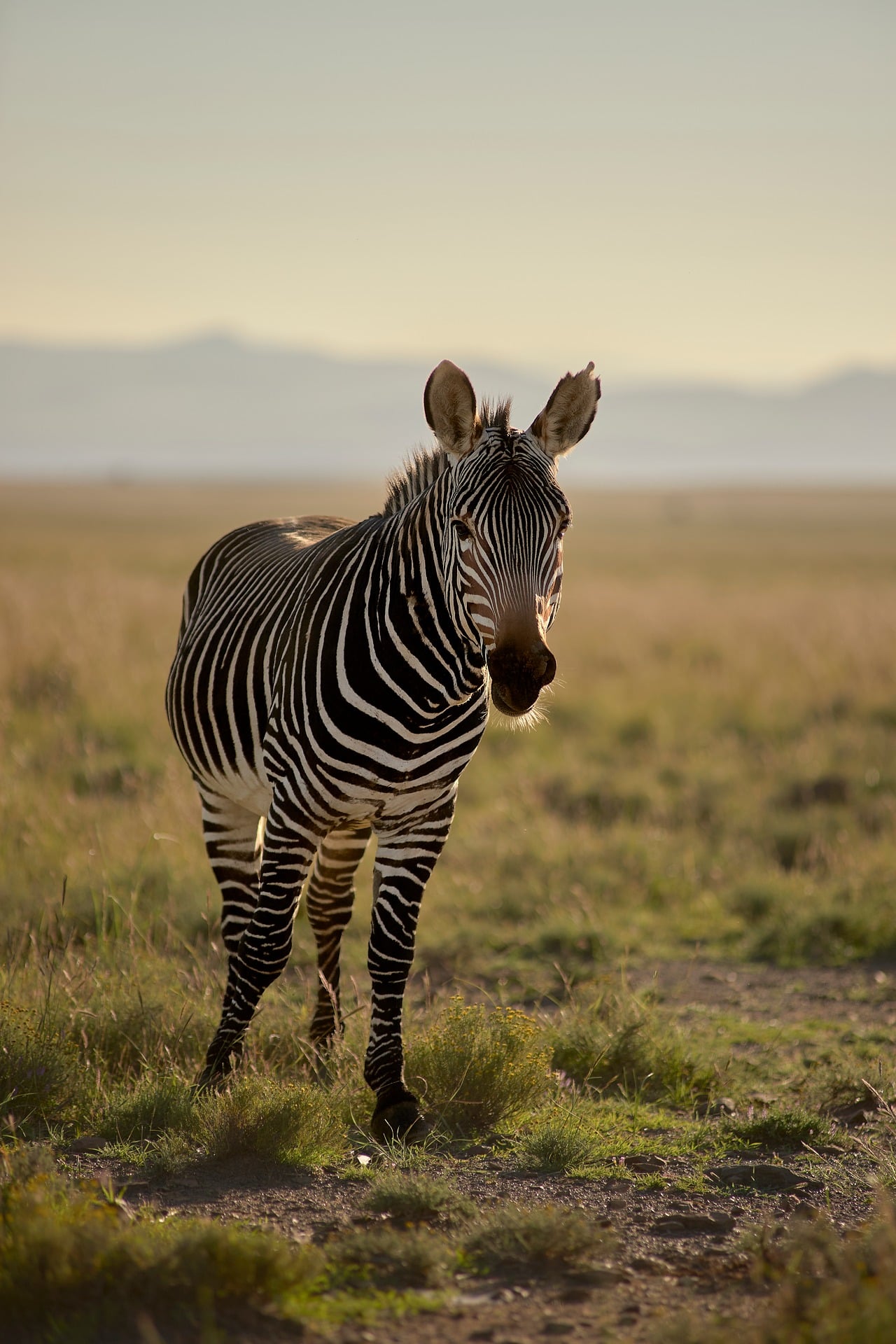
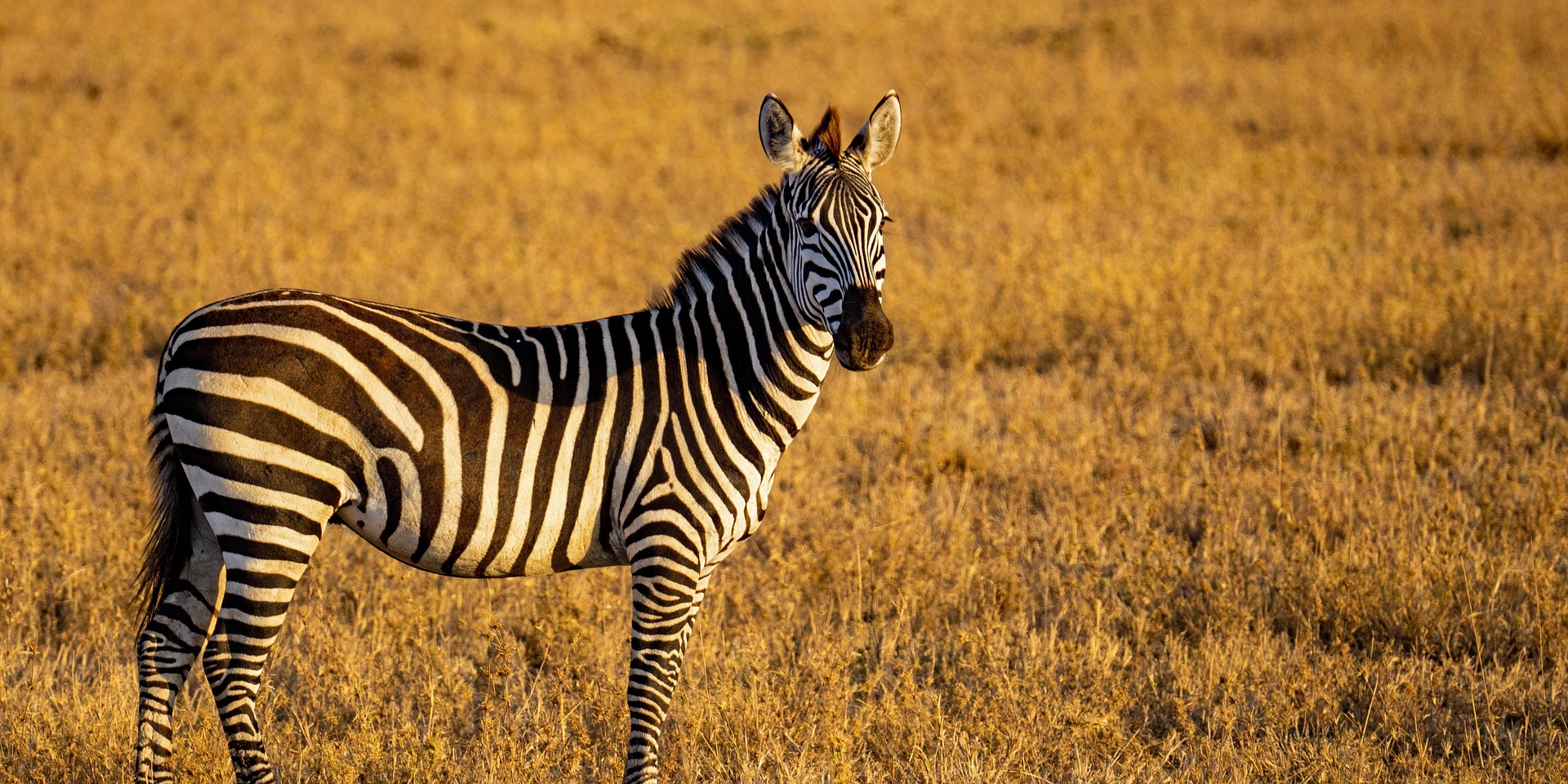
  • The legendary Great Migration of more than two million wildebeest, accompanied by hundreds of thousands of zebras and gazelles.
  • Africa’s famous Big Five:
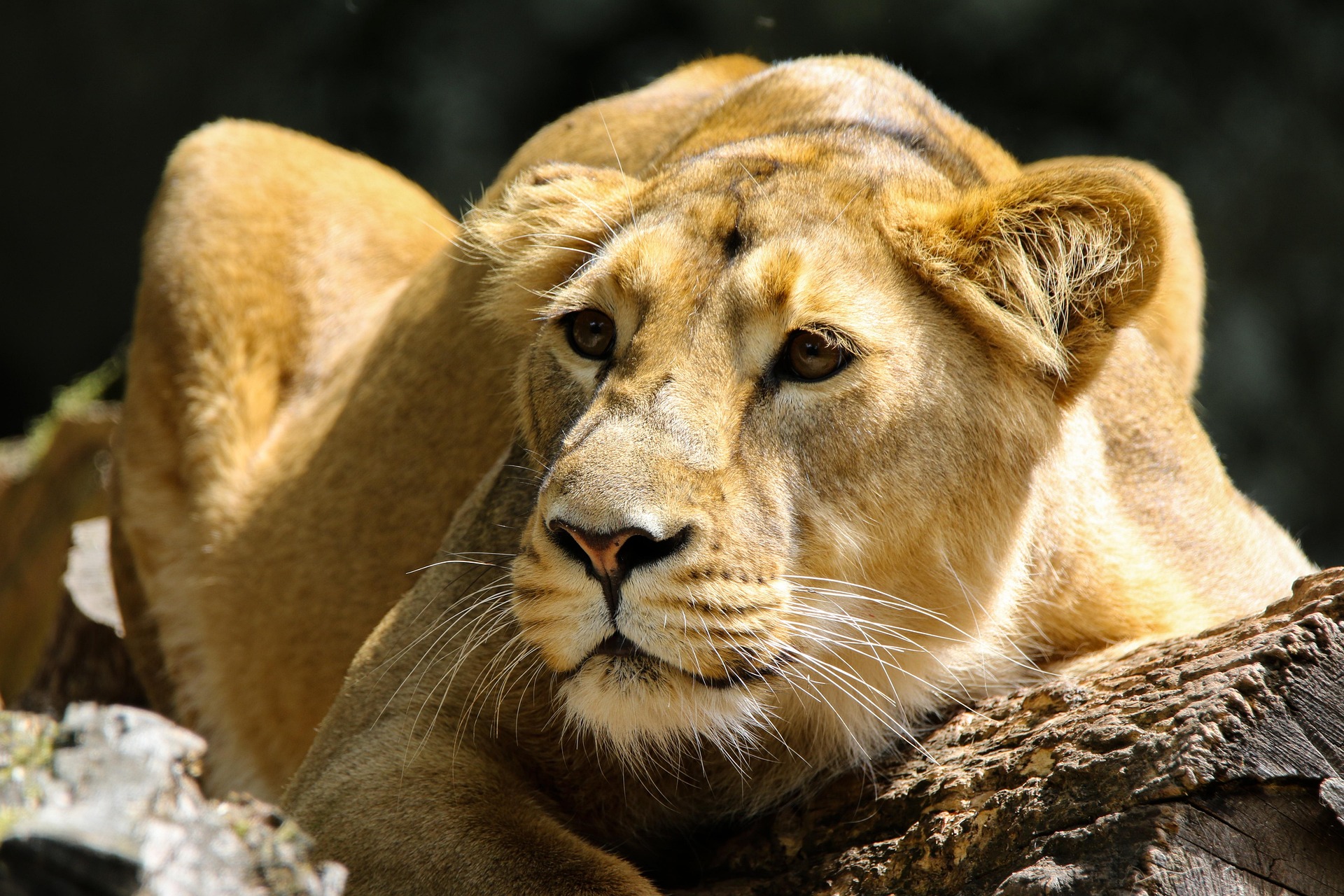
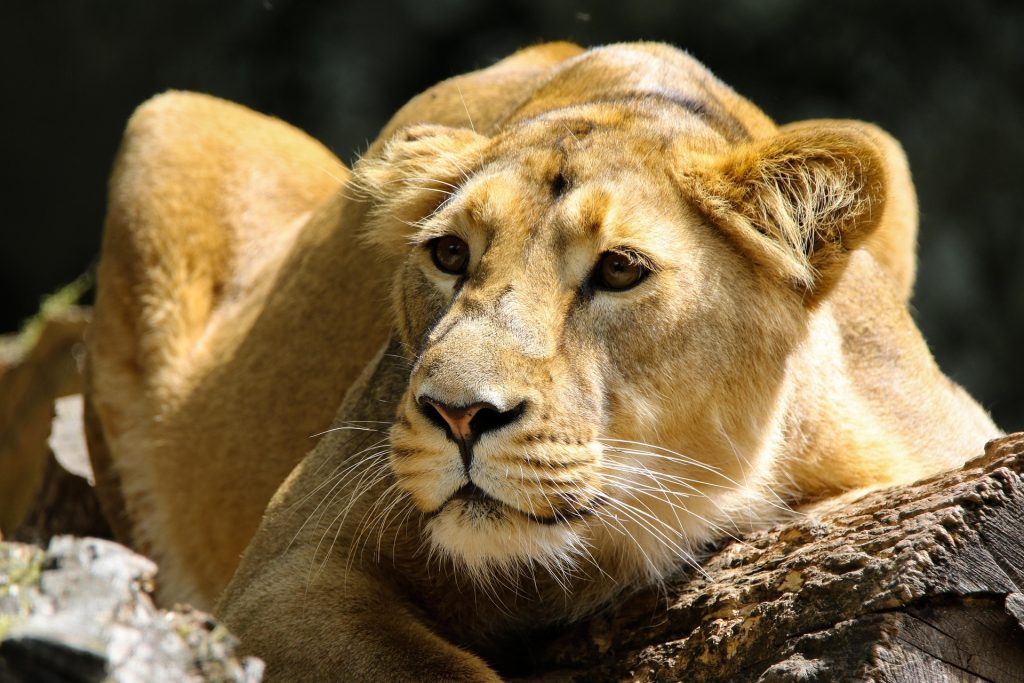
  • Lion
  • Leopard
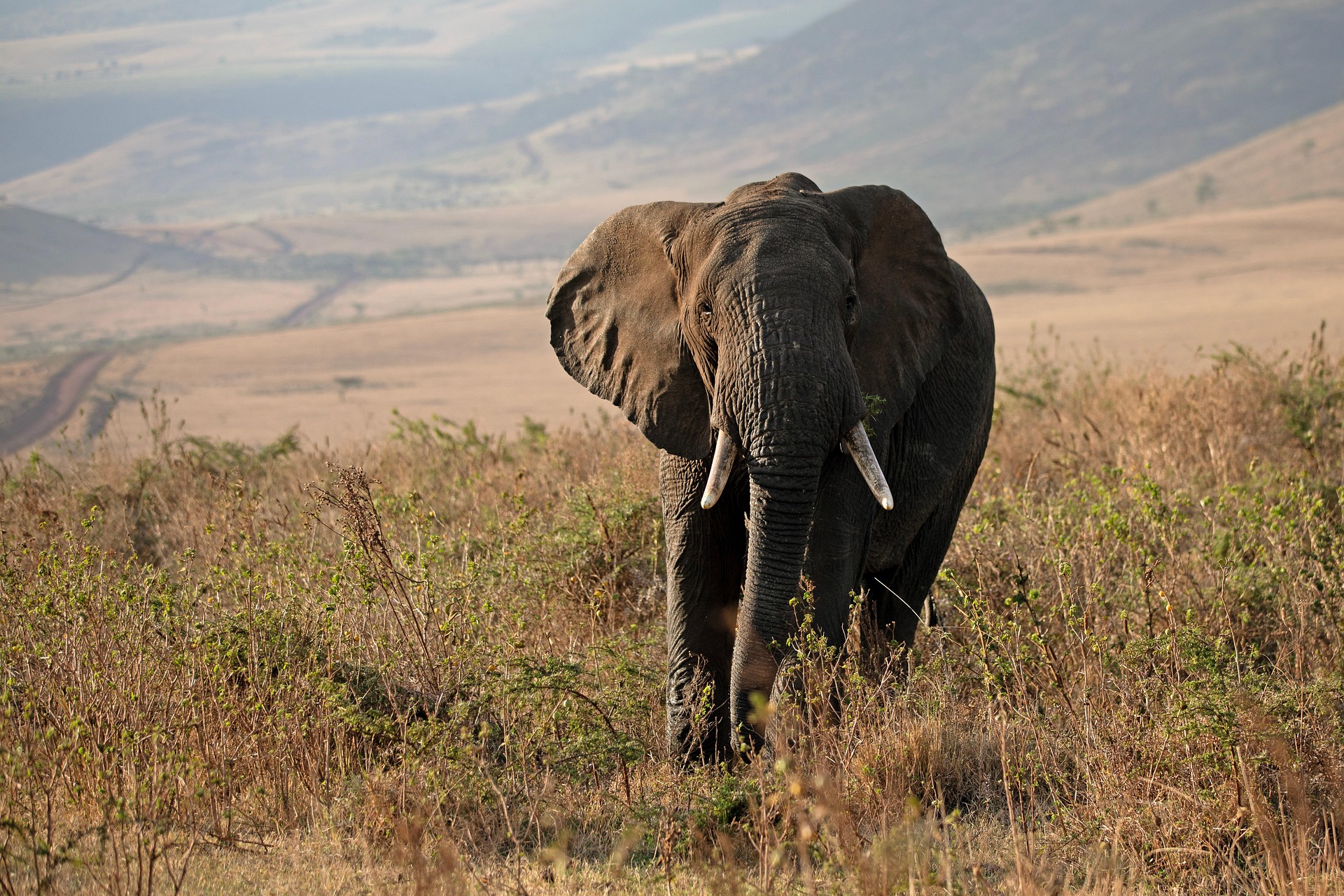
  • Elephant
  • Buffalo
  • Black Rhino
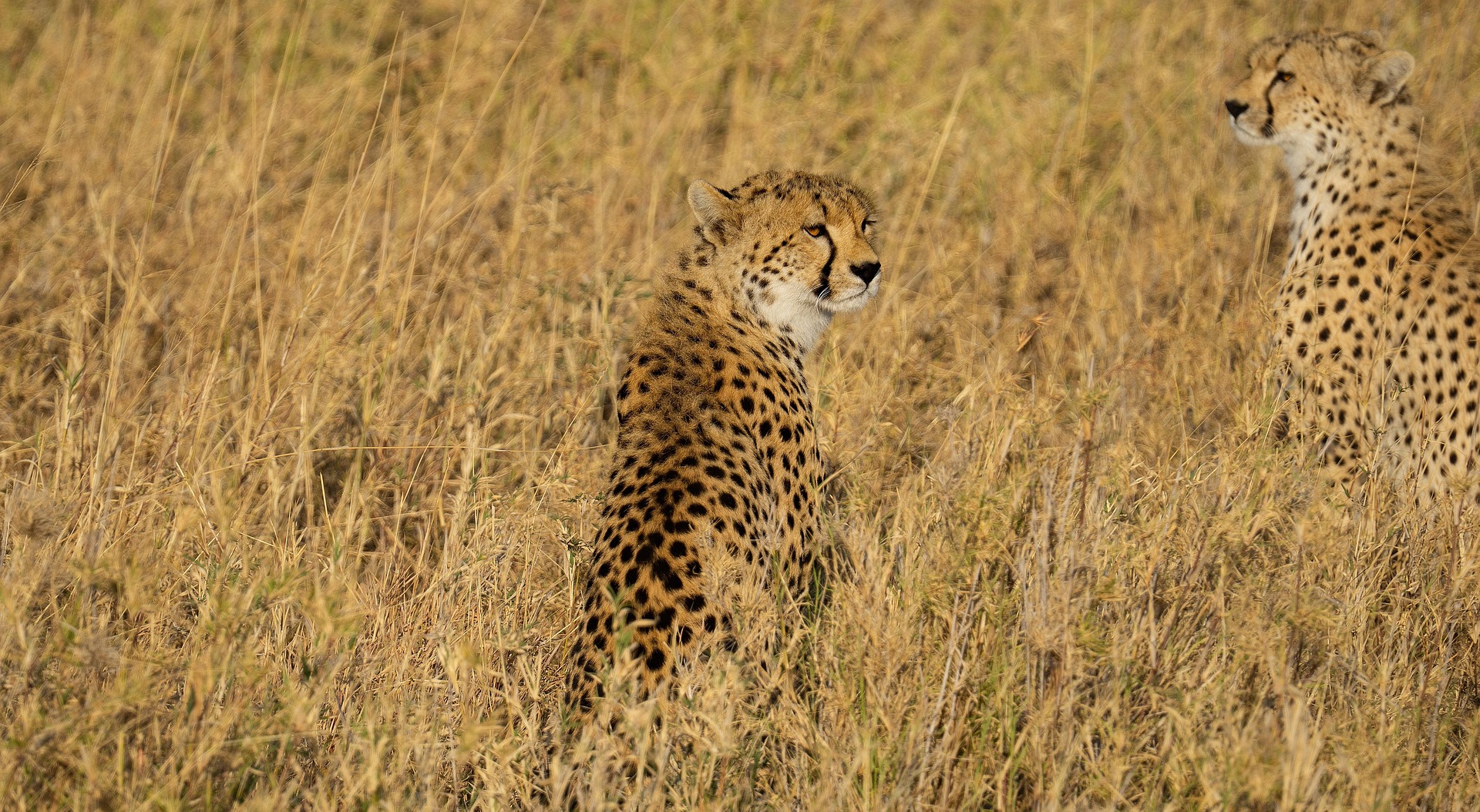
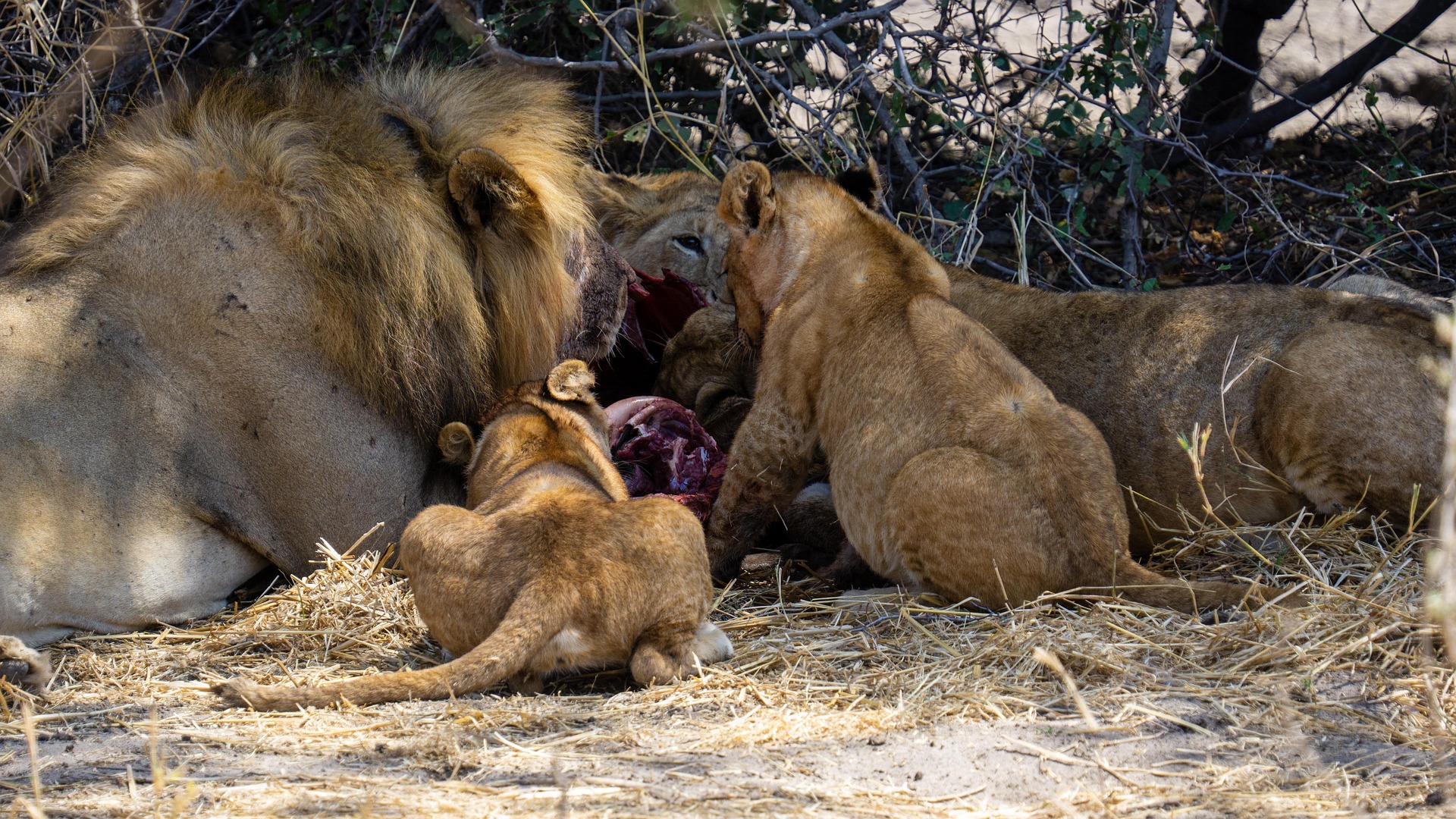
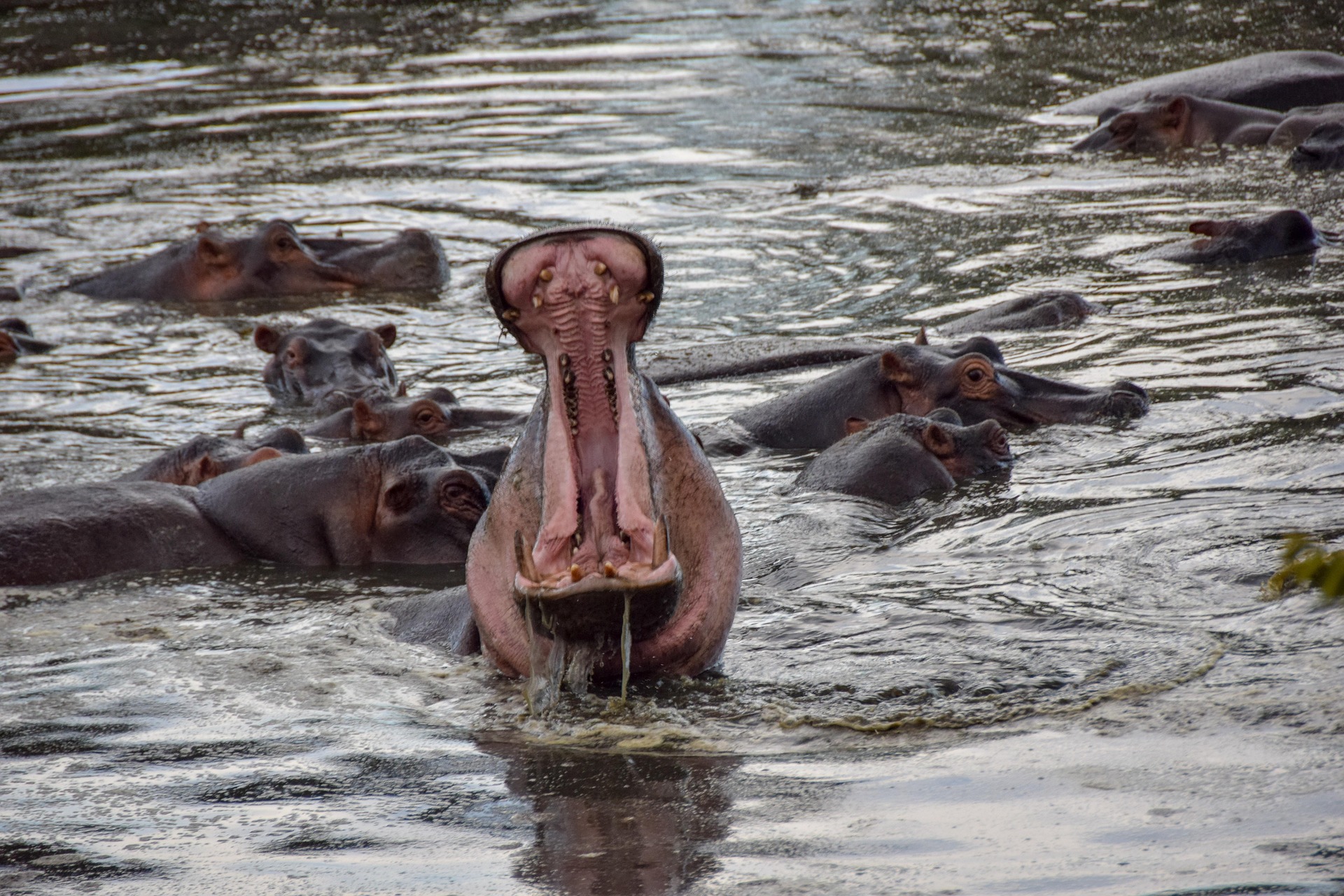
  • One of Africa’s highest concentrations of predators, including lions, cheetahs, leopards, hyenas, and crocodiles.
  • Over 500 bird species, making it a paradise for bird enthusiasts.

The Great Migration

The Great Migration is a continuous annual movement rather than a single event. Wildlife locations change with the seasons:

January – March: Southern Serengeti & Ndutu. Wildebeest calving season and exceptional predator action

April  – June: Central & Western Serengeti. Massive herds moving west and dramatic Grumet river crossing.

July – October : Northern Serengeti. Spectacular Mara River crossing with crocodiles

November – December : Central & southern Serengeti. Herds return south following the seasonal rains 

Landscapes

The Serengeti’s diverse scenery creates a constantly changing safari experience:
  • Endless open grasslands
  • Granite kopjes (rocky outcrops)
  • Acacia woodlands
  • Riverine forests
  • Seasonal rivers
  • Permanent waterholes

Each habitat supports different wildlife, making every game drive unique.

Signature Experiences

Guests can enjoy:
  • Private sunrise and sunset game drives
  • Full-day wildlife safaris with gourmet bush lunches
  • Hot air balloon safaris followed by a champagne breakfast
  • Luxury photographic safaris
  • Sundowners in the African bush
  • Birdwatching excursions
  • Stargazing beneath Africa’s pristine night skies
  • Visits to authentic Maasai communities (optional cultural experience)

Best Time to Visit

The Serengeti offers excellent wildlife viewing throughout the year.
  • June – October: Dry season with outstanding game viewing and comfortable weather.
  • January – March: Best for witnessing wildebeest calving.
  • July – October: Best chance to witness the famous Mara River crossings.
  • November – December: Beautiful green landscapes with fewer visitors.

Climate

A light jacket or fleece is recommended for morning and evening game drives.
  • Daytime: 20–30°C (68–86°F)
  • Evenings & Early Mornings: 10–15°C (50–59°F)

Luxury Safari Highlights

High-end travellers can expect:
  • Elegant luxury lodges and tented camps
  • Personalised service with experienced professional guides
  • Fine dining in the wilderness
  • Private game drives (available upon request)
  • Exceptional photography opportunities
  • Exclusive wildlife experiences away from the crowds

Good to Know

  • The name “Serengeti” comes from the Maasai word Siringet, meaning “the place where the land stretches forever.”
  • The park was established in 1951 and became a UNESCO World Heritage Site in 1981.
  • It protects one of the last remaining intact ecosystems where large-scale animal migration continues naturally.

A Moraka Africa Safaris Recommendation

The Serengeti is more than a safari destination—it is one of the last great wildernesses on Earth. Whether witnessing the thunder of the Great Migration, watching a pride of lions at sunrise, or enjoying a quiet sunset overlooking the endless plains, every journey through the Serengeti is a Fmeless African experience designed to inspire, captivate, and leave lasting memories.

This style of description is well suited for the “Destinations” page on the Moraka Africa Safaris website and appeals to the luxury travellers you want to attract.